Writing as if Time Matters: The Legacy and Labor of a Latino Scholar
With 50 books and generations of scholars influenced, Dr. Miguel A. De La Torre's legacy extends far beyond the page.
~5 min read
At a time when many scholars are encouraged to write within narrow academic boundaries, one Latino ethicist, Dr. Miguel A. De La Torre (HTI Post-doctoral fellow), Professor of Social Ethics and Latinx Studies at member school Iliff School of Theology, chose a different path: write boldly, write constantly, and write for the people.
De La Torre’s story did not begin in lecture halls or publishing houses. It began with mopping floors at his tenement at nine years old, contributing five dollars a week to help support his family until he was sixteen. Today, he has become the second most prolific Latine scholar in theology and religious studies— a writer whose work has reshaped conversations on faith, ethics, structural oppression, Latine identity, and public theology.
The numbers alone are staggering:
- 50 books published in 25 years
- 27 single-authored books
- 18 edited volumes
- 3 co-authored books
- 2 encyclopedias
- 6 book awards
- With 3 to 4 additional books currently in production
WRITING FOR THE PEOPLE
"I am not writing for the academy. I am writing for myself and for my people.”
— Dr. Miguel De La Torre
De La Torre’s work has been published by major university presses and leading trade presses, a rare accomplishment that reflects both the scholarly rigor and broad public impact of his writing. His numerous awards further affirm the significance of his contributions to theology, ethics, and Latine religious scholarship.Yet for him, writing has never been about prestige. It has always been about responsibility.
His discipline is legendary. He rises at 4:00 am and writes until 1:00 pm, nearly 200 days a year, maintaining a daily quota of three pages. He describes writing not as inspiration, but as a joyful labor.
Throughout his career, De La Torre has intentionally created opportunities for others. Through edited volumes, mentorship, and collaborative projects, he has helped many early-career Latine scholars publish their first essays, chapters, and books, expanding the presence of Latine voices in theological and religious education.
WRITING AS ACTIVISM
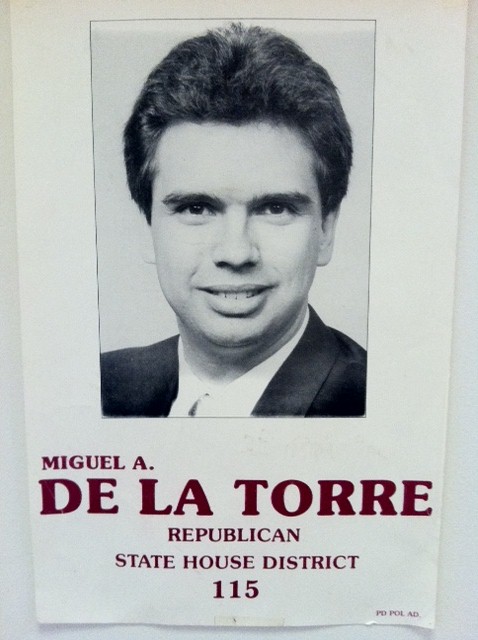
De La Torre understands writing as a form of activism. After briefly pursuing politics, including a run for public office in Florida, he realized his words could create deeper and more enduring change than legislation alone. Through writing, he found another way to challenge injustice, structural oppression, and exclusion— not only for Latine communities, but for all marginalized communities.
His work consistently returns to themes of liberation, justice, and communal responsibility. Influenced by Cuban nationalist José Martí, he writes with rhythm, poetry, accessibility, and courage. De La Torre rejects the notion that scholarship should be disconnected from lived experience, insisting instead that writing can be intellectually rigorous while remaining artful, human, and deeply grounded in community.
Even now, after decades of publishing, editing, mentoring, and shaping the field, he continues to describe writing with childlike curiosity and joy.
“When I begin a project, I really do not know where I am going to end. It is a fun journey. It is how I learn.”
— Dr. Miguel De La Torre
A LEGACY BEYOND THE PAGE
De La Torre’s impact reaches far beyond his own bibliography. As a mentor and editor, he has helped an entire generation of Latine scholars get comfortable with publishing. He believes that those who have gained security, tenure, and visibility have a responsibility to build pathways for the next generation of Latine writers.
That philosophy mirrors the heart of the Hispanic Theological Initiative itself: investing in scholars, opening doors, and ensuring that future generations do not navigate the publishing world alone.
His legacy reminds us that scholarship needs to reach grassroots communities. It is about writing to advocate and highlight injustices to bring about liberation for all peoples because time does matter.
And perhaps that is why De La Torre’s work continues to resonate so deeply: because behind every page is a scholar who never forgot where he came from, who invited others to share in the joy of writing, and who continues to demonstrate that words can help transform both lives and institutions.
Support Scholarship That Serves Communities
HTI cultivates leaders whose scholarship moves beyond the academy to serve communities, challenge injustice, and expand pathways for future scholars.
Give Today →