It’s a Duck! Demystifying Academic Writing at HTI
Ulrike Guthrie and Annabella Martinez share how returning to the fundamentals of academic writing helps scholars begin their doctoral journeys with confidence
~3 min read
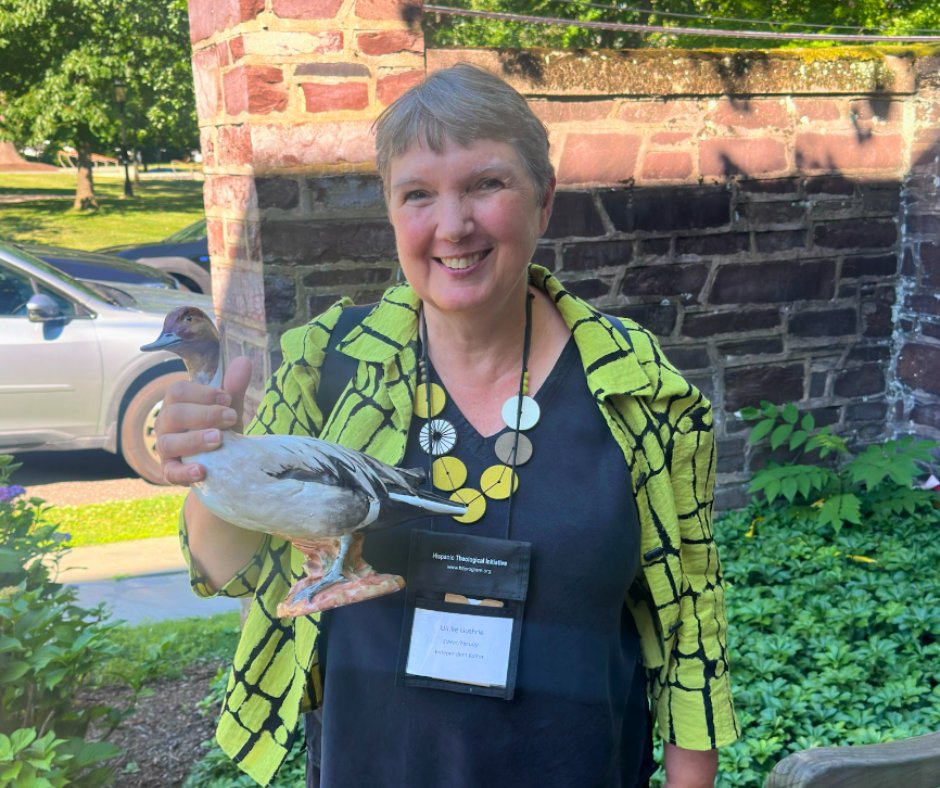
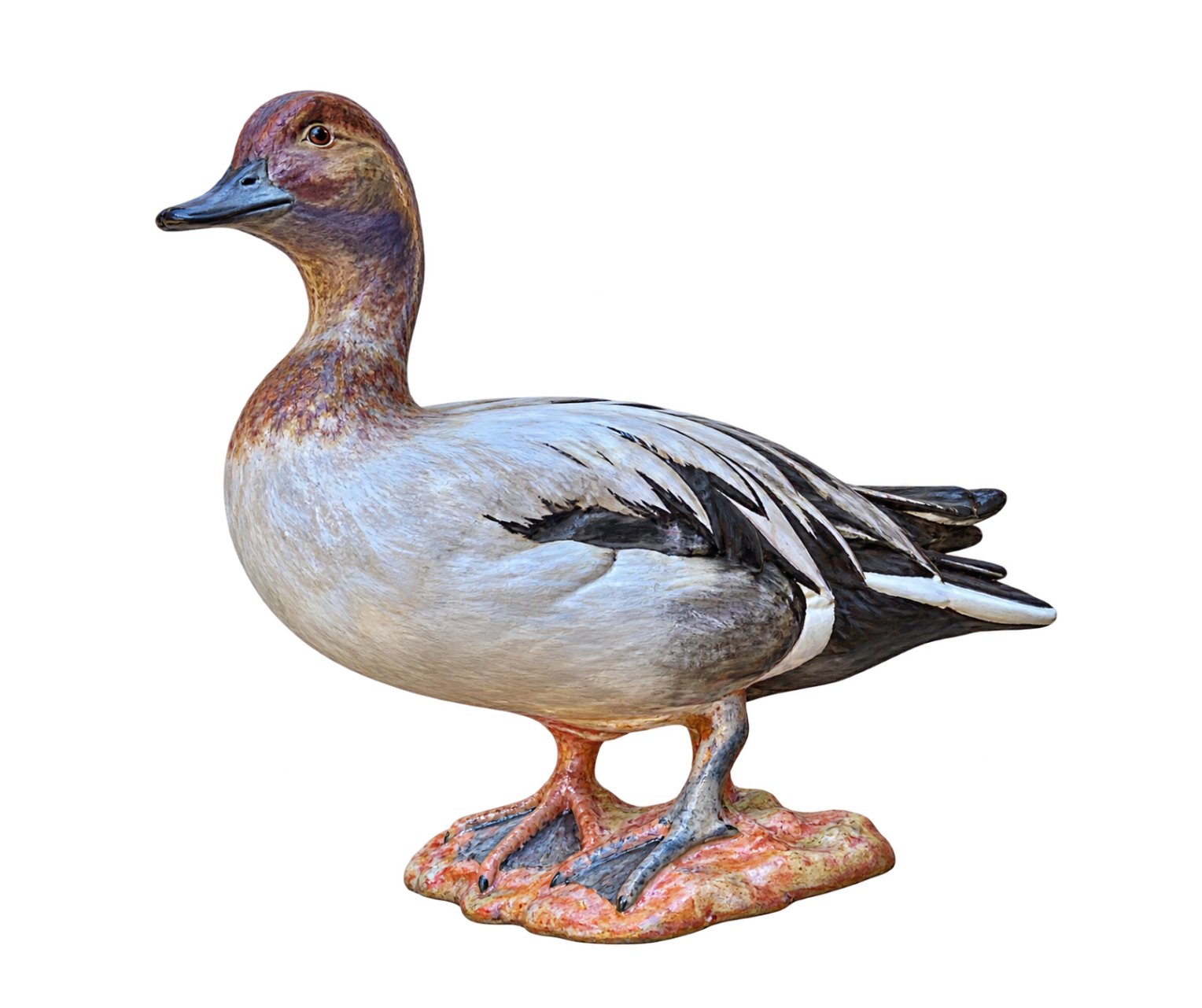
What does a porcelain duck have to do with doctoral writing?
For HTI editor Ulrike Guthrie, quite a lot.
In HTI’s FUNdamentals of Writing workshop at the Professional Development Conference (PDC), Guthrie asks scholars to draw a porcelain duck in three minutes, then again in three seconds. The exercise can be “sometimes agonizing,” she admits, but it offers a memorable lesson in identifying the core of a topic without fanfare or embellishment.
“All we really need is a webbed foot and a duckbill.”
The exercise reflects Guthrie’s broader approach to academic writing and publishing, which she describes as a passion for demystifying practices that can otherwise feel inaccessible. That commitment is now taking shape in a new writing rubric designed to help incoming HTI scholars develop foundational writing skills as they begin their doctoral journeys.
“For some scholars, such ‘getting back to basics’ is actually about learning the basics,” Guthrie explains, “because they’ve never been taught them, or have forgotten them.”
The exercise reflects Guthrie’s broader approach to academic writing and publishing, which she describes as a passion for demystifying practices that can otherwise feel inaccessible. That commitment is now taking shape in a new writing rubric designed to help incoming HTI scholars develop foundational writing skills as they begin their doctoral journeys.
“For some scholars, such ‘getting back to basics’ is actually about learning the basics,” Guthrie explains, “because they’ve never been taught them, or have forgotten them.”
The program moves from the fundamentals of topic sentences and academic argumentation to structure and style, footnotes and formatting, audience and voice, and eventually to writing dissertations and books.
For Annabella Martinez (HTI First-Year Scholar), that foundation is about more than learning mechanics. It is about entering doctoral studies with confidence.
“I don’t want to struggle with my dissertation because of the writing,” Martinez says. “I want to struggle with theory.”
As an incoming scholar, Martinez had already experienced the benefits of HTI through the Doctoral Accompaniment Seminar (DAS), which she says directly contributed to her success in her doctoral program. She also points to something less tangible but equally significant: a community.
“I don’t want to struggle with my dissertation because of the writing,” Martinez says. “I want to struggle with theory.”
As an incoming scholar, Martinez had already experienced the benefits of HTI through the Doctoral Accompaniment Seminar (DAS), which she says directly contributed to her success in her doctoral program. She also points to something less tangible but equally significant: a community.
“Beyond the tangible benefits of HTI as a new scholar, I am grateful for the intangible benefits, such as a network of scholars that has already made my first year less lonely and easier to navigate.”
— Annabella Martinez
That support has given Martinez a strong sense of belonging as she begins her doctoral studies.
“I don’t feel lost in a new program” Martinez says. “HTI’s support has helped me feel confident at the start of my doctoral program, and that is invaluable to me.”
For Guthrie, that confidence is part of what makes writing instruction meaningful. With “a smidgeon of humor and demystification, accompaniment and accountability,” she writes, “writing becomes less onerous and less lonely, sometimes even a confident delight.”
Perhaps that is the real lesson of the duck: becoming a stronger academic writer means learning to focus on what matters most, letting go of what does not, and having someone alongside you as you learn how to express your ideas.
Give Scholars a Strong Foundation
Help provide the writing support, mentorship, and community that give emerging scholars confidence from day one.
Give Today →